Cybersecurity & Threat Prevention

Cybersecurity: Protecting Your Business From Evolving Digital Threats

In an increasingly connected world, cybersecurity is no longer an optional investment—it’s a fundamental requirement for every business, regardless of size or industry. Cybercriminals are more sophisticated than ever, using advanced tactics like ransomware, phishing, social engineering, credential theft, and zero-day exploits to target organizations and compromise their systems. A single breach can lead to significant financial loss, operational downtime, legal consequences, and lasting damage to a company’s reputation. Robust cybersecurity ensures your data, systems, and people remain protected around the clock.

Effective cybersecurity begins with a multi-layered approach. There is no single tool that can fully shield a business from modern threats. Instead, organizations need a strategic combination of tools, monitoring, policies, and user training. This layered defense protects your assets at every level—network, cloud, endpoints, applications, and users—while ensuring threats are detected and neutralized quickly.

One of the most powerful elements of a cybersecurity strategy is threat prevention. This includes firewalls, antivirus software, email filtering, intrusion detection systems, and web protection tools designed to block malicious attempts before they ever reach your network. Regular patching and updates are equally important, as outdated operating systems and applications are common entry points for cyberattacks.

But prevention alone is not enough. Businesses also need continuous monitoring to identify suspicious patterns, unauthorized activity, or unexpected changes across their systems. Cybersecurity monitoring provides real-time visibility into the health of your environment and allows security experts to respond quickly, minimizing potential damage. Advanced solutions like Security Information and Event Management (SIEM), endpoint detection and response (EDR), and managed detection and response (MDR) bring enterprise-level protection to organizations of all sizes.

Human error remains one of the biggest cybersecurity vulnerabilities. Employees are often targeted through phishing and social engineering schemes designed to trick them into revealing sensitive information or granting system access. That’s why cybersecurity awareness training plays a crucial role in strengthening your defenses. Educating your team about how to recognize threats, avoid malicious links, and follow safe digital practices dramatically reduces risk.

A comprehensive cybersecurity strategy also includes data backup and disaster recovery. Even with strong defenses, no system is 100% immune from attacks. Backups ensure that, in the event of a breach or ransomware incident, your data can be restored quickly and your business can resume operations with minimal disruption.

Compliance is another essential factor. Many industries—such as healthcare, finance, and government—must meet strict regulatory standards like HIPAA, PCI-DSS, and NIST. Cybersecurity solutions help organizations maintain compliance by protecting sensitive information and ensuring proper documentation, policies, and audit trails are in place.

Ultimately, cybersecurity is about safeguarding your organization’s future. With the right tools, proactive monitoring, employee education, and expert support, you can stay ahead of evolving threats and operate confidently in today’s digital landscape. Investing in cybersecurity isn’t just protecting your technology—it’s protecting your business, your customers, and your reputation.

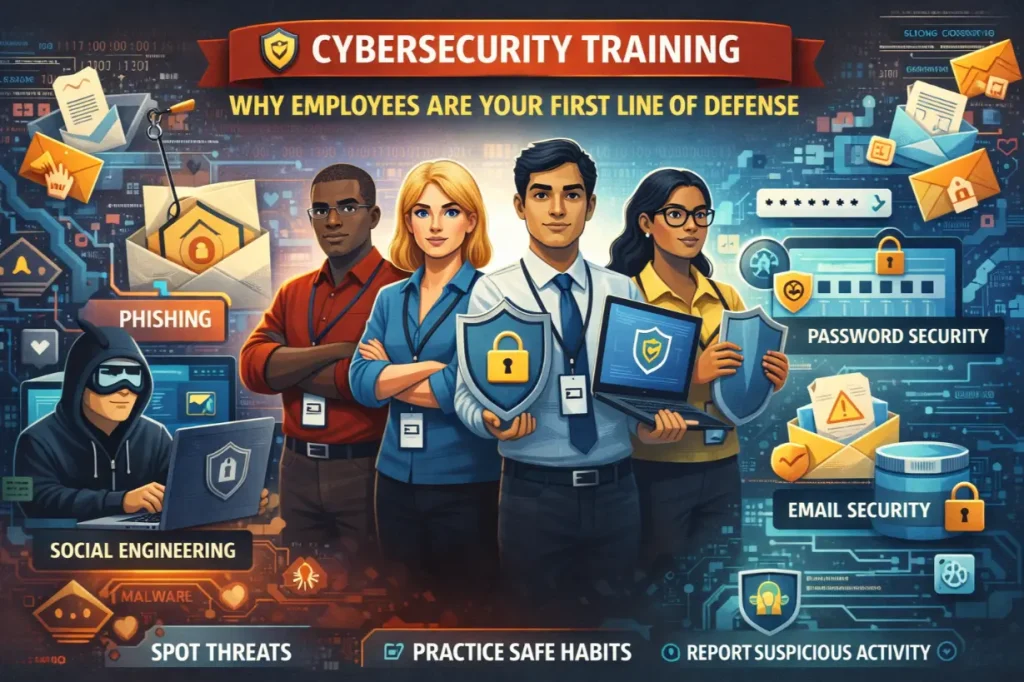
Cybersecurity Training: Why Employees Are Your First Line of Defense

Cybersecurity Training: Why Employees Are Your First Line of Defense

Hackers Don’t Break In — They Log In Despite advances in firewalls, endpoint protection, and AI-driven security, one uncomfortable truth remains: Most cyberattacks succeed because a human was tricked — not because a system was hacked. Employees click malicious links. They enter credentials into fake portals. They approve fraudulent requests. They reuse passwords. This doesn’t…

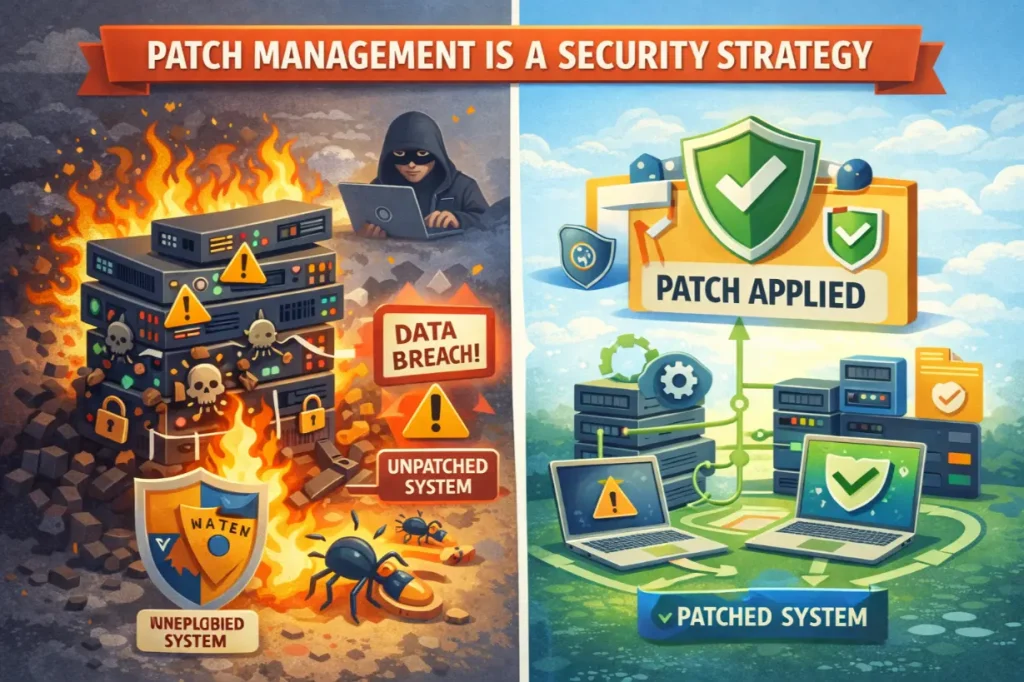
Why Patch Management Is a Security Strategy

Why Patch Management Is a Security Strategy

Most Breaches Start With Something Unpatched When a major cyber incident makes headlines, people often assume it involved: In reality, many attacks succeed for a much simpler reason: A known vulnerability wasn’t patched. Patch management is one of the least glamorous areas of IT — but it’s also one of the most effective security controls…
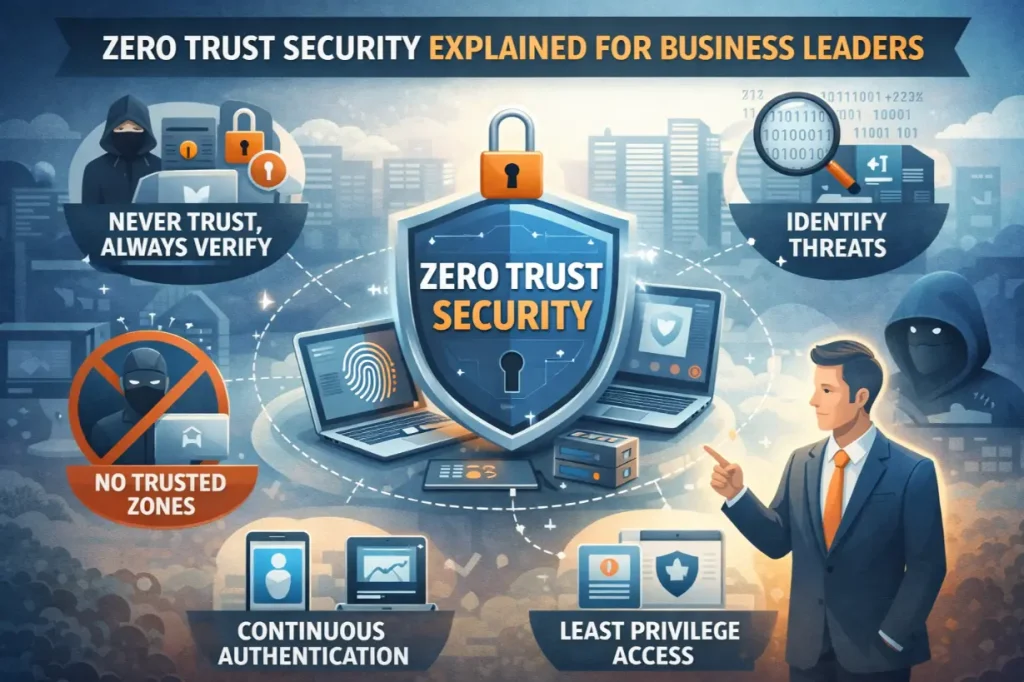
Zero Trust Security Explained for Business Leaders

Zero Trust Security Explained for Business Leaders

Zero Trust” Sounds Technical — But It’s a Business Concept Zero Trust is often explained in technical diagrams and acronyms. Firewalls. Identity providers. Network segmentation. Conditional access. But at its core, Zero Trust is not a technology — it’s a business risk strategy. It answers a simple question: “What happens if we assume something will…
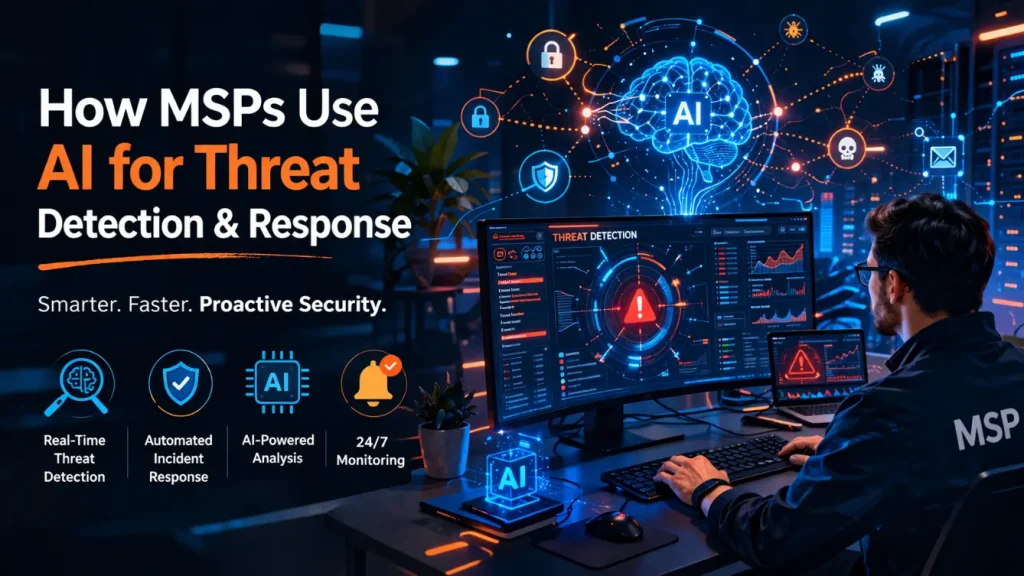
How MSPs Use AI for Threat Detection & Response

How MSPs Use AI for Threat Detection & Response

Cyber Threats Move Faster Than Humans Can Cyberattacks no longer rely on brute force or obvious malware. Modern threats are: By the time a human notices something is wrong, damage is often already done. This is why artificial intelligence has become essential to modern threat detection and response. Managed Service Providers (MSPs) now rely on…
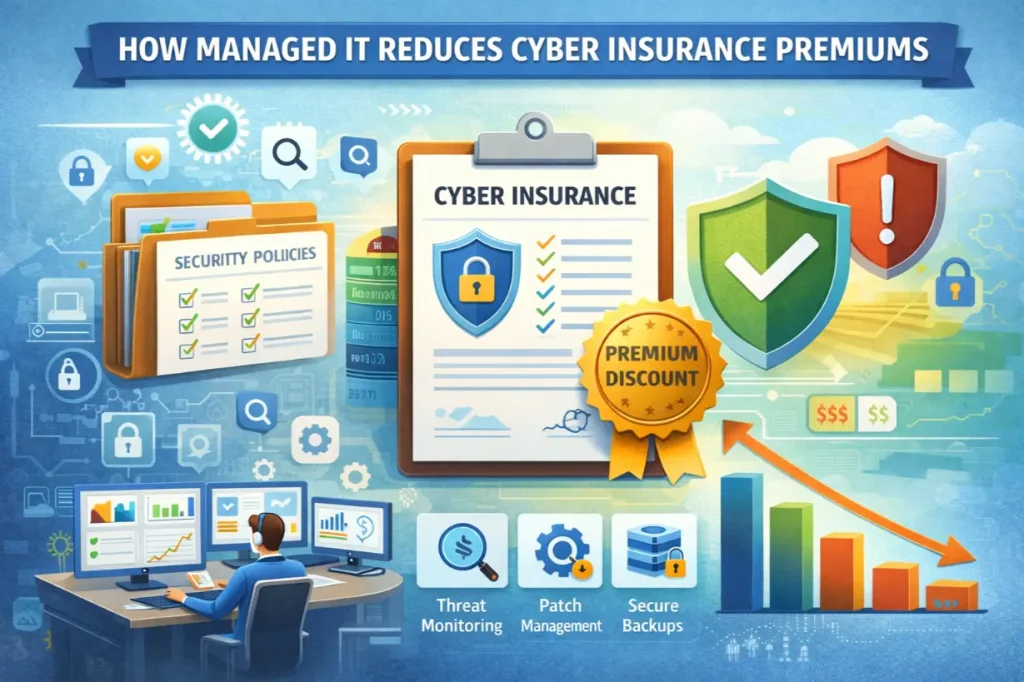
How Managed IT Reduces Cyber Insurance Premiums

How Managed IT Reduces Cyber Insurance Premiums

Cyber Insurance Is No Longer Easy or Cheap Just a few years ago, cyber insurance was straightforward. Low premiums. Minimal questionnaires. Broad coverage. Today, that landscape has changed dramatically. Businesses now face: Why? Because cyber incidents are more frequent, more expensive, and more disruptive than ever. This article explains how managed IT services directly reduce…
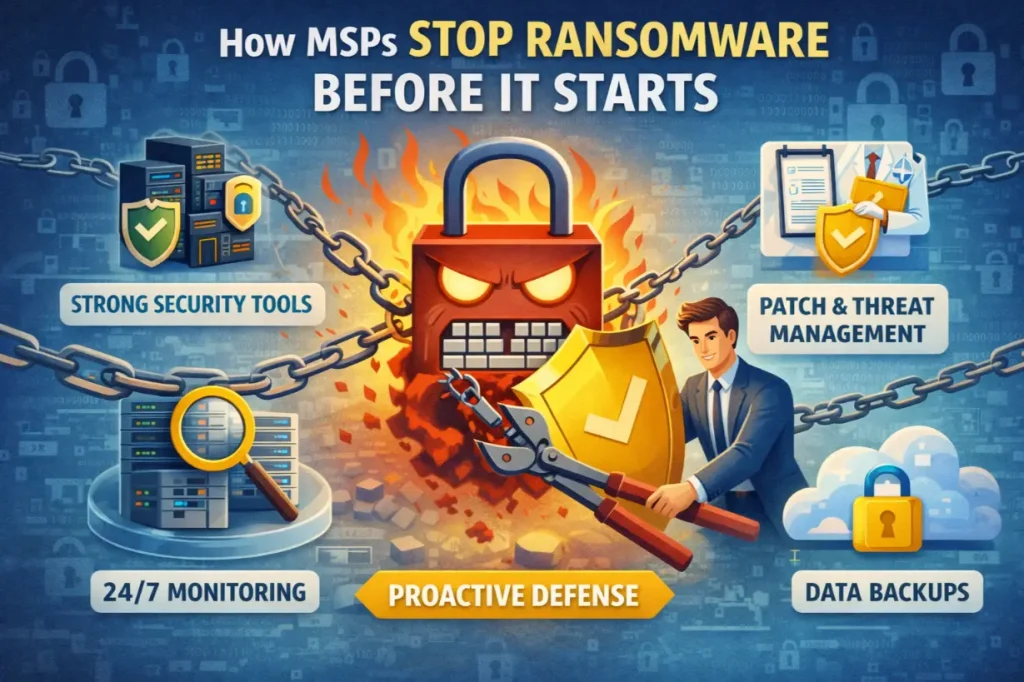
How MSPs Stop Ransomware Before It Starts

How MSPs Stop Ransomware Before It Starts

Ransomware Doesn’t Knock — It Explodes Ransomware doesn’t announce itself politely. It: For many businesses, ransomware is the single most disruptive cyber threat they will ever face. What makes it worse?Most ransomware attacks are preventable — but only when security is proactive, layered, and continuously monitored. This article explains how Managed Service Providers (MSPs) stop…