Networking and Infrastructure
Reliable networking and robust IT infrastructure form the backbone of every modern organization. Without strong connectivity, secure systems, and well-designed architecture, businesses cannot operate efficiently or support the growing demands of digital transformation. The Networking and Infrastructure category explores the technologies, best practices, and strategic approaches that enable organizations to build, manage, and optimize the foundational systems that keep their operations running smoothly.
Networking encompasses far more than simple internet connectivity. It includes the complex frameworks that allow devices, servers, applications, and users to communicate securely and efficiently. As businesses adopt cloud services, remote work models, mobile technologies, and connected devices, the pressure on networks continues to grow. This category highlights the tools and strategies necessary to design networks that are scalable, resilient, and capable of supporting modern workloads.
Infrastructure, on the other hand, refers to the physical and virtual systems that power an organization’s digital environment. This includes servers, data centers, cloud platforms, cabling, switches, routers, storage solutions, and virtualization technologies. A strong infrastructure ensures that business-critical applications remain fast, available, and secure. The Networking and Infrastructure category explores how organizations can build environments that are flexible enough to adapt to growth while maintaining stability and performance.
One of the most significant shifts in today’s IT infrastructure is the move toward hybrid and cloud-based architectures. Cloud solutions offer scalability, cost-efficiency, and global accessibility, while on-premises systems provide greater control and customization. Successful organizations are increasingly blending the two, creating hybrid environments that leverage the strengths of both. This category covers best practices for cloud migration, virtualization, distributed networks, and ongoing management of hybrid systems.
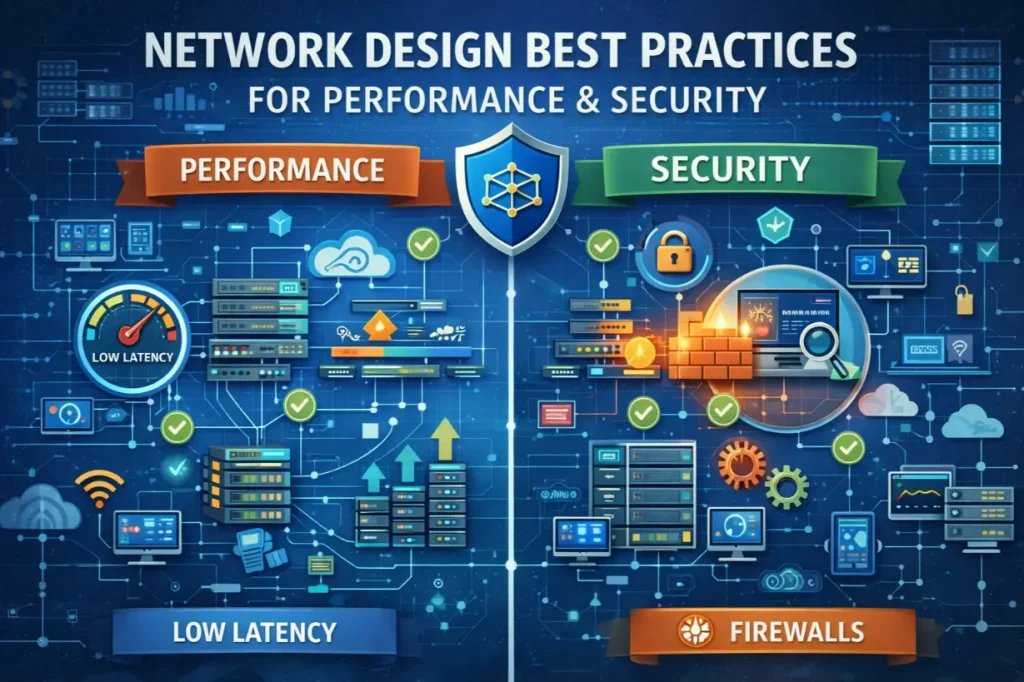
Security plays a critical role in networking and infrastructure. As cyber threats become more sophisticated, organizations must implement layered protection at every level of their environment. Firewalls, access control, encryption, intrusion detection systems, and zero-trust architectures help safeguard sensitive data and ensure uninterrupted operations. This category provides insights into modern infrastructure security strategies that protect networks both internally and externally.
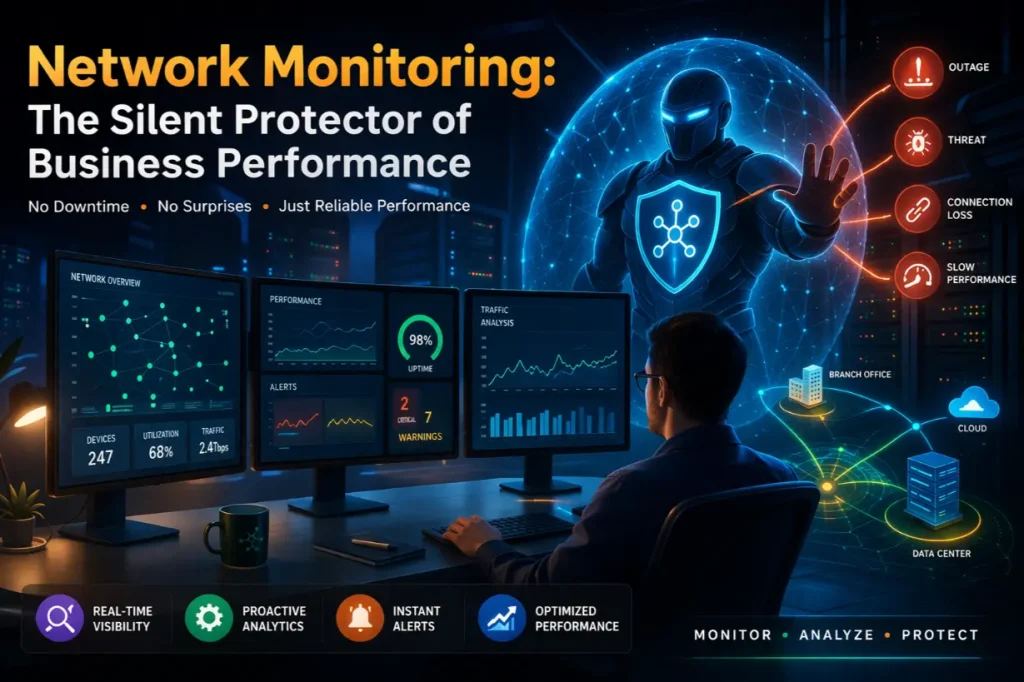
Performance optimization is another key focus. Bottlenecks, latency issues, and inefficient data routing can significantly impact productivity. Through monitoring tools, traffic shaping, load balancing, and infrastructure assessments, businesses can identify weak points and enhance system performance. The category also addresses capacity planning, ensuring that networks and infrastructure can handle future growth without disruption.
As remote and hybrid work models become standard, networking strategies must evolve. Secure remote-access solutions such as VPNs, SD-WAN, and cloud-based access control enable employees to collaborate effectively from anywhere. This category explores how organizations can support distributed teams without compromising security or efficiency.
Sustainability is also a growing consideration within infrastructure planning. Energy-efficient hardware, eco-conscious data center design, and responsible equipment lifecycle management help organizations reduce their environmental footprint while lowering costs. The Networking and Infrastructure category highlights how modern solutions support greener, more efficient operations.
Ultimately, Networking and Infrastructure represent the core of a successful IT ecosystem. By investing in strong design, secure architecture, and proactive maintenance, organizations ensure reliable performance, long-term scalability, and the resilience needed to thrive in a rapidly evolving digital world.

 precise_webmaster