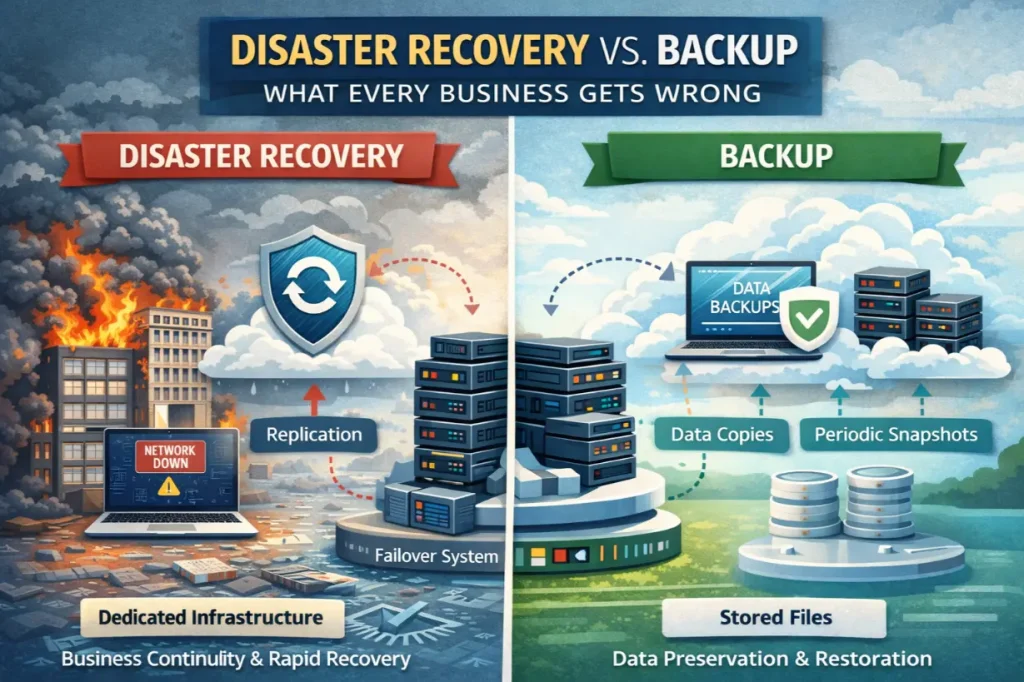
Data Backup & Disaster Recovery: Protecting Your Business From Data Loss and Unexpected Downtime
Data is one of the most valuable assets a business possesses, yet it is also one of the most vulnerable. Hardware failures, ransomware attacks, human error, software corruption, and natural disasters can strike without warning—putting your operations at risk and threatening the continuity of your business. Data Backup and Disaster Recovery (BDR) solutions ensure your organization remains resilient by safeguarding critical information and providing a clear, reliable path to recovery when the unexpected occurs.
A strong BDR strategy begins with regular, automated backups. Modern backup systems go far beyond simple file copying. They capture full system images, databases, applications, configurations, and virtual machines—creating complete snapshots of your entire environment. This level of protection ensures that, if a failure happens, your business can be restored to a fully operational state quickly and with minimal disruption. Backups can be stored on-site, in secure off-site data centers, or in the cloud, giving you multiple layers of redundancy.
Cloud-based backup solutions offer a powerful advantage for today’s mobile and distributed workforce. They allow businesses to protect data stored across laptops, servers, and cloud applications like Microsoft 365 or Google Workspace. Cloud backups are encrypted, scalable, and accessible from anywhere, making them ideal for organizations with remote teams or multiple office locations. More importantly, cloud backup reduces the risk of losing data during local disasters such as floods, fires, or power outages.
However, backup alone is not enough. True business continuity requires a comprehensive disaster recovery plan that outlines the exact steps your team should take to resume operations after an incident. A disaster recovery plan ensures your business stays running smoothly even when faced with a serious disruption. This includes identifying mission-critical systems, determining recovery time objectives (RTO), and establishing recovery point objectives (RPO) that align with your business needs.
One of the most common and costly threats businesses face today is ransomware. Criminals encrypt your data and demand payment for its release, often leaving companies paralyzed. A reliable BDR solution acts as your last line of defense. If ransomware strikes, having clean, recent backups allows you to restore your systems without paying the ransom or suffering extended downtime. This can save your business tens of thousands of dollars and prevent irreversible data loss.
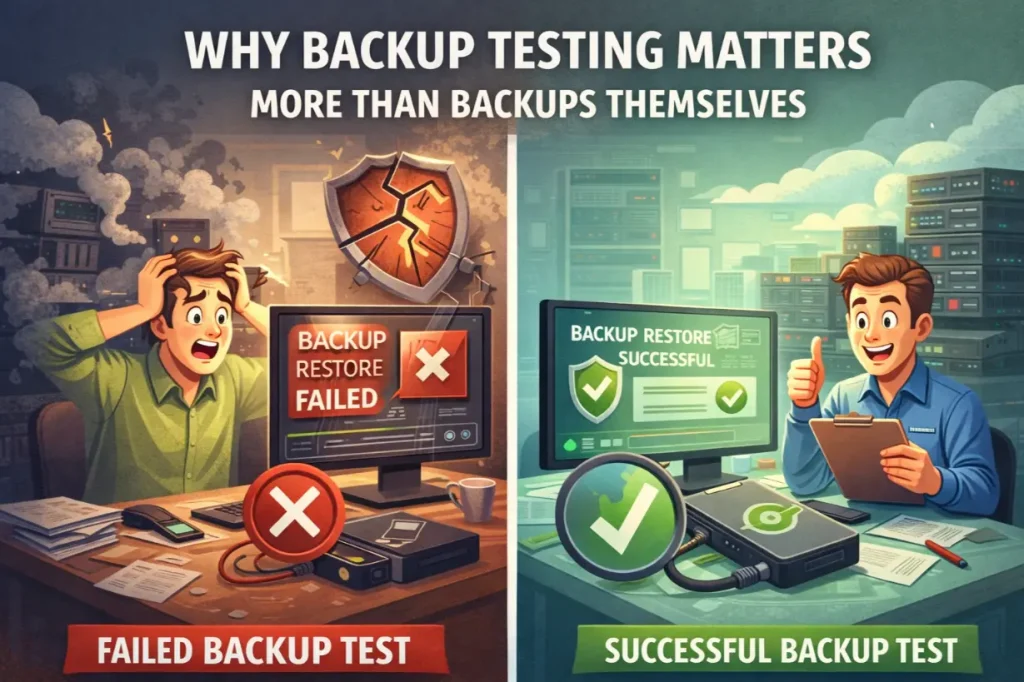
Testing is also an important component of disaster recovery. Many organizations assume their backups are working—only to find out during a crisis that they are incomplete or corrupted. Routine backup verification and recovery drill testing ensure that your systems can be restored quickly and accurately when needed most. This proactive approach eliminates guesswork and gives your team confidence that your continuity plan will perform as expected.
When disaster strikes, every minute counts. Reliable data backup and disaster recovery solutions provide peace of mind, reduce downtime, protect your revenue, and keep your organization resilient. With proper planning, ongoing monitoring, and expert support, your business can withstand whatever challenges come its way.

 precise_webmaster