Endpoint Security & Monitoring: Protecting Every Device That Connects to Your Network
In today’s digital environment, every device that connects to your network—laptops, desktops, mobile phones, tablets, servers, and even IoT devices—represents a potential entry point for cybercriminals. As remote and hybrid work continue to expand, the number of endpoints accessing business systems has grown significantly. Endpoint Security & Monitoring provides the essential protection your organization needs to defend against threats, prevent data breaches, and ensure every device remains secure and compliant.
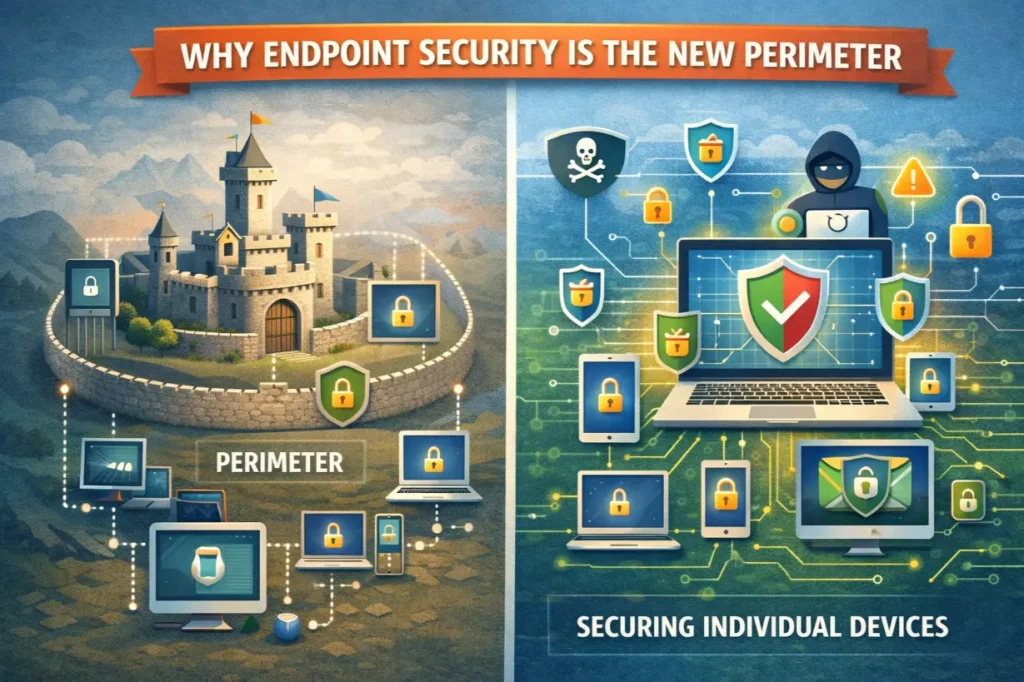
Endpoint security begins with the understanding that devices are now the front line of cybersecurity. Traditional perimeter defenses like firewalls are no longer enough, as employees frequently work off-site, access cloud applications, and use personal devices for business tasks. Modern endpoint protection platforms (EPP) incorporate advanced features such as antivirus, anti-malware, behavioral analysis, encryption, and application control. These tools help identify and block threats before they can compromise devices or spread across the network.
However, prevention alone isn’t sufficient. Cyber threats evolve rapidly, with attackers using increasingly sophisticated methods to evade detection. This is where endpoint monitoring and threat detection come into play. Endpoint Detection and Response (EDR) solutions continuously monitor device activity, detect suspicious behavior, and provide real-time alerts. Instead of relying solely on signature-based detection, EDR tools use machine learning to identify anomalies—such as unusual login attempts, unauthorized file changes, or abnormal data transfers—that may indicate an attack in progress.
Continuous monitoring allows security teams to act quickly. Rapid detection reduces the time an attacker has to move laterally, escalate privileges, or steal sensitive data. When combined with automated response tools, threats can be isolated and neutralized before they impact operations. This proactive approach significantly strengthens your organization’s ability to defend against ransomware, phishing attacks, fileless malware, and zero-day exploits.
Another important component of endpoint security is patch and update management. Cybercriminals often exploit vulnerabilities in outdated operating systems and applications. Automated patching ensures devices receive critical security updates as soon as they’re released, minimizing exposure to known threats. Regular updates also improve performance, enhance stability, and ensure compatibility with newer technologies.
Device encryption adds an additional layer of protection, safeguarding sensitive data in case a device is lost or stolen. For businesses with remote workers or field employees, encryption is essential for maintaining data privacy and meeting compliance requirements. When combined with secure authentication methods like multi-factor authentication (MFA), device access becomes significantly more secure.
Endpoint security also involves policy enforcement. Organizations must define rules regarding device usage, application installation, internet access, and data handling. With Mobile Device Management (MDM) and Unified Endpoint Management (UEM) solutions, administrators can enforce security policies, remotely wipe lost devices, and ensure consistent protection across all endpoints—whether company-issued or bring-your-own-device (BYOD).
Reporting and analytics provide valuable insights into endpoint health, security events, and potential vulnerabilities. These insights help IT teams make strategic decisions, prioritize risk areas, and continuously strengthen defenses.
Ultimately, Endpoint Security & Monitoring is essential for maintaining a secure, resilient business environment. By protecting every device that connects to your network, you reduce risk, improve compliance, and ensure your team can work safely from anywhere.

 precise_webmaster