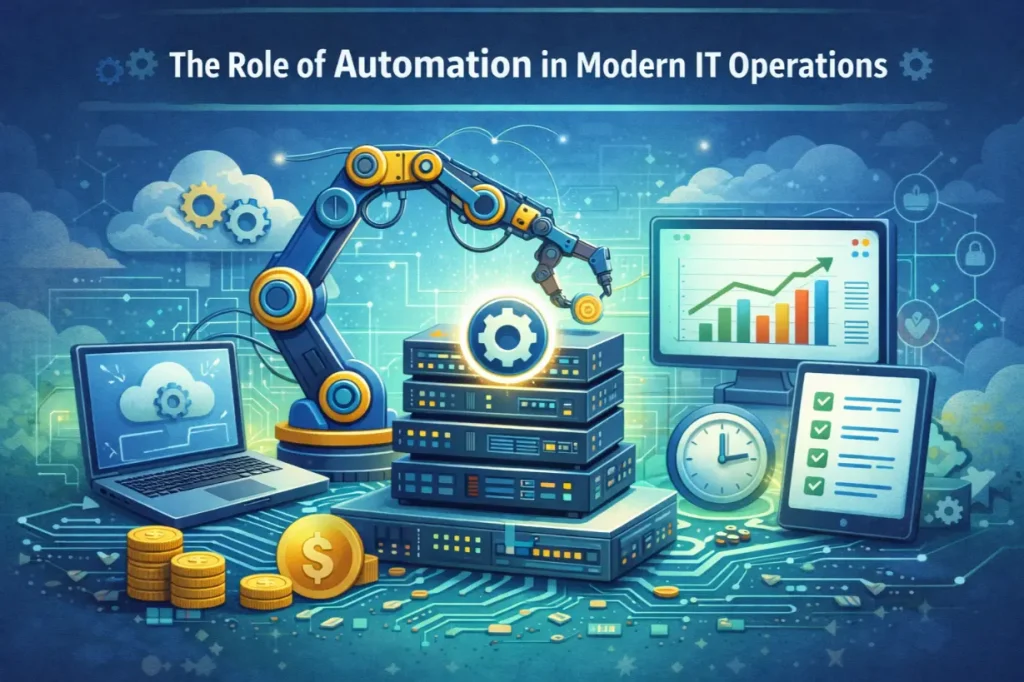
Automation & Workflow Optimization: Streamlining Processes for Greater Efficiency and Productivity
In today’s competitive business environment, organizations must operate with precision, speed, and flexibility. Manual processes, repetitive tasks, and inefficient workflows not only waste time—they hinder growth, increase operating costs, and reduce employee satisfaction. Automation & Workflow Optimization help businesses eliminate bottlenecks, improve accuracy, and create scalable systems that support long-term success.
At its core, automation is about using technology to handle repetitive tasks so your team can focus on higher-value work. From scheduling and data entry to approvals and reporting, automation tools reduce human error, increase consistency, and accelerate daily operations. This shift frees employees to concentrate on strategic initiatives, customer service, problem-solving, and innovation.
Workflow optimization begins with mapping and analyzing your organization’s current processes. Many businesses rely on outdated workflows that were built around old technology, staffing limitations, or manual routines. These processes often include unnecessary steps, duplicate tasks, or inefficient hand-offs between departments. By identifying these gaps, businesses can redesign workflows for maximum effectiveness—making tasks simpler, faster, and more reliable.
One of the most powerful automation tools is Robotic Process Automation (RPA). RPA uses software “bots” to replicate human actions within digital systems, completing tasks such as data extraction, file transfers, system updates, and form submissions. RPA bots work 24/7, don’t make mistakes, and complete tasks in a fraction of the time. This makes them ideal for finance, HR, IT operations, customer support, and administrative functions.
Cloud-based workflows also play a major role in modern process optimization. Platforms like Microsoft Power Automate, Zapier, IFTTT, and Make.com allow businesses to integrate applications, trigger automated actions, and synchronize data across systems without custom coding. This interconnectivity reduces silos, improves communication between platforms, and keeps information accurate and up-to-date.
Automation directly supports improved customer experiences. Automated ticket routing, chatbots, self-service portals, and instant notifications help businesses respond faster and more efficiently. Customers benefit from timely, consistent interactions, while service teams reduce their workload and increase satisfaction scores.
In IT operations, automation helps organizations maintain stronger system health. Automated patching, backup routines, monitoring alerts, and threat detection processes allow IT teams to resolve issues before they disrupt business operations. This proactive approach strengthens reliability and reduces downtime.
Workflow optimization also enhances collaboration. By integrating digital forms, shared workspaces, project tracking tools, and communication platforms, teams can work together seamlessly—even across remote or hybrid environments. Automated reminders, approval chains, and task dependencies ensure that projects move forward smoothly and on schedule.
Data accuracy is another major benefit. Manual data entry errors can lead to financial discrepancies, compliance violations, and poor decision-making. Automated workflows ensure data is captured, stored, and processed consistently—improving reporting quality and enabling better business insights.
However, automation is not just about tools—it’s about strategy. Businesses must choose the right processes to automate, ensure employees receive proper training, and continuously refine workflows based on performance metrics. When implemented thoughtfully, automation becomes a powerful engine for transformation.
Ultimately, Automation & Workflow Optimization streamline your operations, reduce costs, and empower your workforce. By eliminating inefficiencies and enabling smarter processes, your organization becomes more agile, productive, and ready to meet the challenges of tomorrow.

 precise_webmaster