The Cloud Isn’t the Problem — Poor Planning Is
The cloud is often marketed as a silver bullet.
Lower costs. Infinite scalability. Built-in resilience. Automatic security. Instant agility.
But for many businesses, cloud migrations turn into budget disasters, performance nightmares, and security risks.
The problem isn’t the cloud itself — it’s how businesses migrate to it.
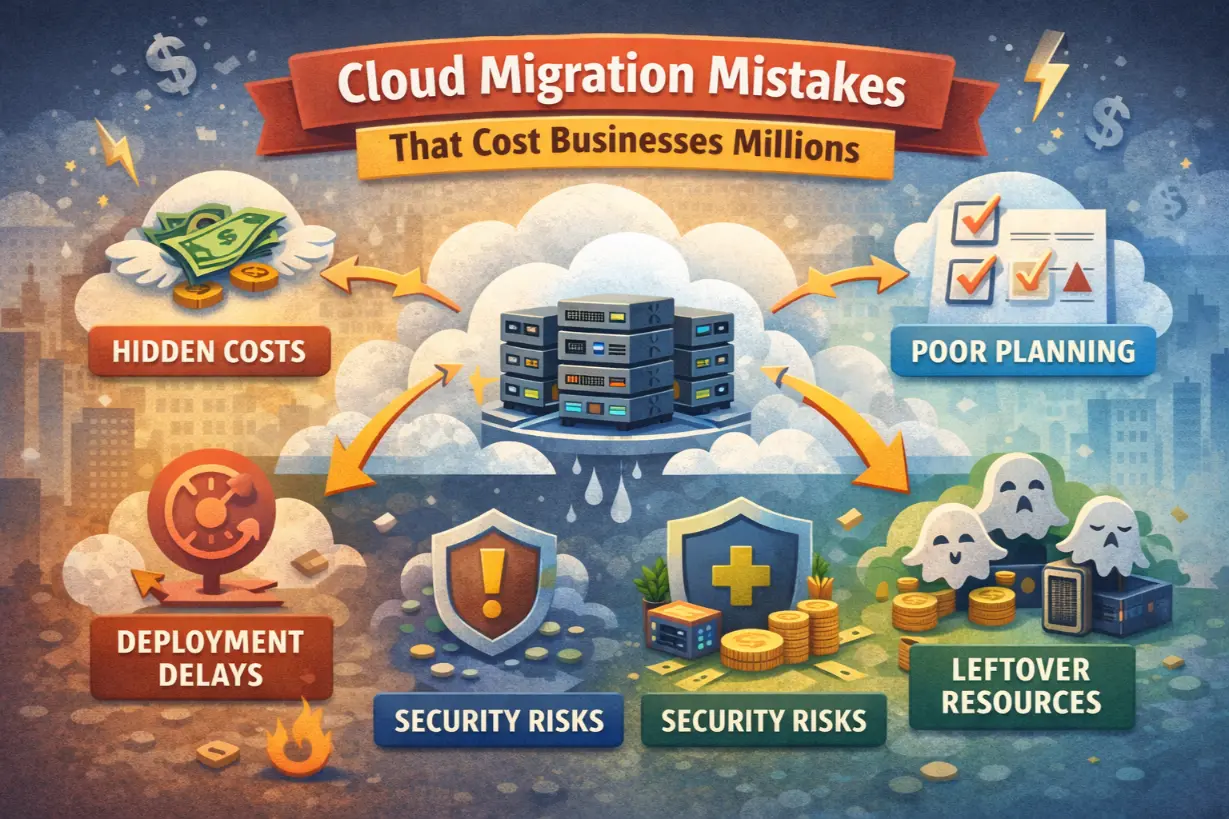
This article exposes the most common cloud migration mistakes that cost businesses millions, and how managed IT services prevent them before they happen.
Why Cloud Migrations Fail So Often
Cloud adoption is not a simple “lift and shift.”
It involves:
- Infrastructure redesign
- Application assessment
- Security re-architecture
- Cost modeling
- Operational change
Skipping these steps leads directly to failure.
Mistake #1: Treating the Cloud Like a Data Center
One of the most common errors is moving on-prem systems to the cloud without redesigning them.
This results in:
- Poor performance
- Excessive costs
- Over-provisioned resources
Cloud environments require cloud-native architecture, not copied legacy designs.
Mistake #2: No Clear Business Objectives
Many migrations start with:
“We should move to the cloud.”
But without defined goals, businesses can’t measure success.
Cloud migrations should align with:
- Cost optimization
- Scalability needs
- Security improvements
- Business agility
Without objectives, migrations drift — and costs climb.
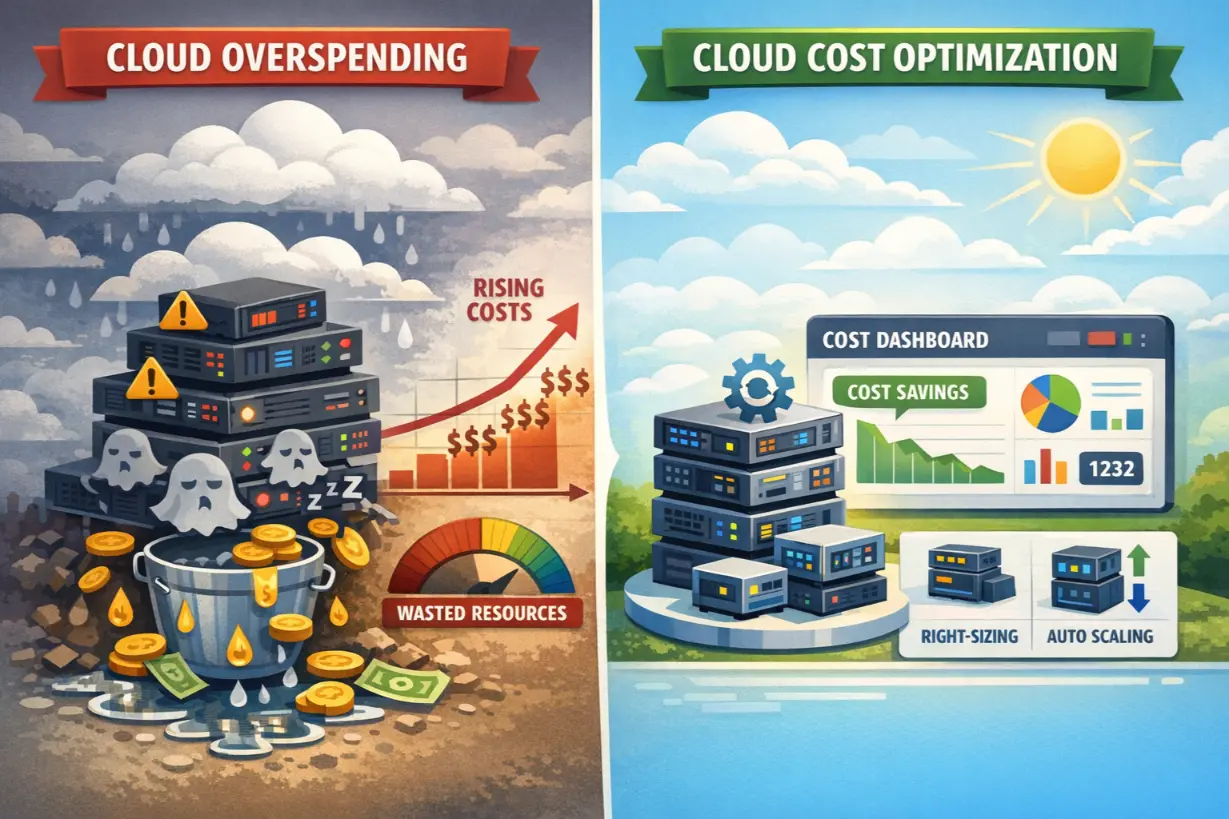
Mistake #3: Underestimating Cloud Costs
The cloud is operational expense-based, not capital-based.
Common cost traps include:
- Always-on resources
- Over-allocated storage
- Unused services
- Poor cost monitoring
Without governance, cloud spending spirals fast.
Mistake #4: Ignoring Cloud Security Responsibility
Cloud providers secure the infrastructure — not your data.
Businesses are still responsible for:
- Identity management
- Access controls
- Application security
- Data protection
Misunderstanding this leads to breaches.
Mistake #5: Poor Identity & Access Management
Cloud security begins with identity.
Common failures:
- No MFA
- Excessive permissions
- Shared accounts
Compromised identities are the fastest path to cloud compromise.
Mistake #6: Skipping Performance Testing
Cloud environments behave differently.
Without testing:
- Latency increases
- Applications slow down
- Users suffer
Performance must be validated — not assumed.
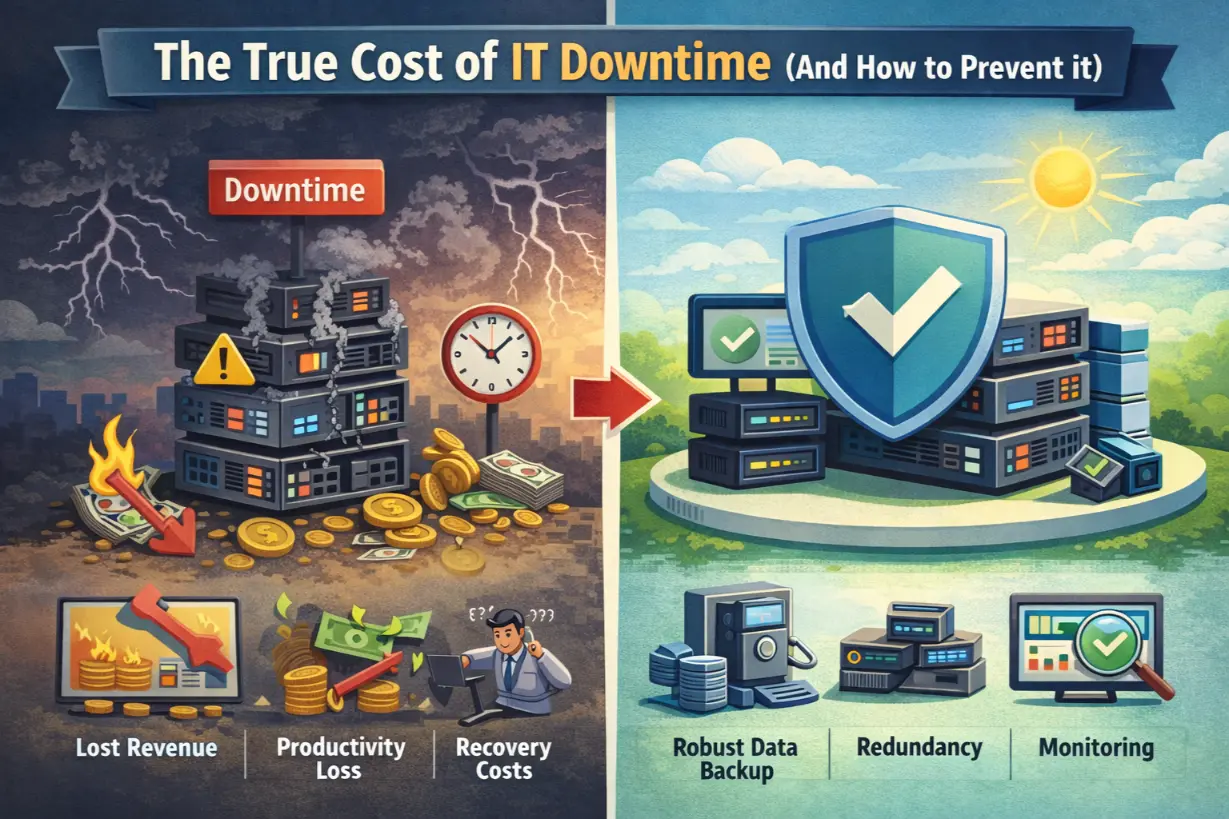
Mistake #7: No Exit or Recovery Plan
Vendor lock-in is real.
Many businesses migrate without:
- Backup strategies
- Data portability plans
- Disaster recovery testing
A failed migration without an exit plan is catastrophic.
How Managed IT Prevents Cloud Migration Failures
Managed IT providers bring structure and discipline to cloud adoption.
1. Pre-Migration Assessment
MSPs evaluate:
- Applications
- Dependencies
- Performance needs
- Security requirements
Nothing moves blindly.
2. Cloud Architecture Design
Instead of copying on-prem setups, MSPs:
- Right-size workloads
- Design for scalability
- Optimize performance
- Control costs
Cloud becomes efficient — not bloated.
3. Cost Governance & Optimization
Managed IT includes:
- Budget alerts
- Resource optimization
- Usage reporting
- Cost forecasting
Spending stays predictable.
4. Security-First Cloud Design
Security is built in from day one:
- MFA
- Role-based access
- Encryption
- Logging and monitoring
Security isn’t bolted on later.
5. Hybrid & Phased Migration Strategies
Not everything belongs in the cloud.
MSPs use:
- Hybrid models
- Phased migrations
- Workload prioritization
Risk is reduced.
Cloud Migration Is a Business Transformation
Cloud adoption impacts:
- Operations
- Finance
- Security
- Compliance
It’s not an IT-only initiative.
Signs Your Cloud Migration Is Going Off the Rails
- Costs exceed forecasts
- Performance complaints increase
- Security gaps appear
- IT complexity grows
- Leadership loses visibility
These are warning signs — not growing pains.
The Difference Between Moving to the Cloud and Using It Well
Anyone can migrate.
Few optimize.
Managed IT turns cloud platforms into:
- Stable environments
- Secure systems
- Cost-efficient infrastructure
- Scalable business tools
Cloud Success Is Planned, Not Assumed
The cloud can absolutely transform a business — when done right.
But rushed, poorly planned migrations cost:
- Money
- Time
- Trust
With managed IT guidance, cloud migration becomes a strategic advantage instead of a financial liability.
Planning a cloud migration — or already struggling with one?
A cloud readiness assessment can identify risks before they turn into costly mistakes.